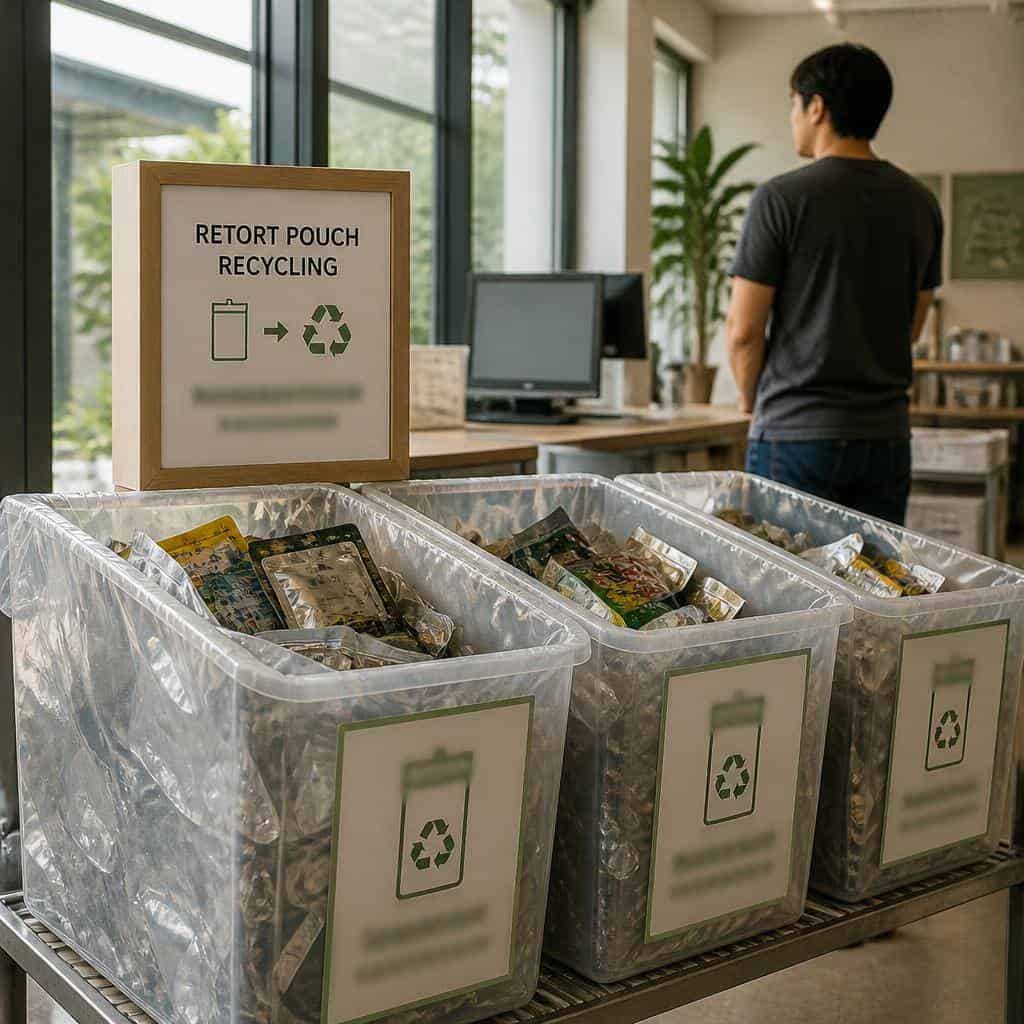
Understanding the recycling process of retort pouch packaging is essential for businesses aiming to manage waste responsibly while maintaining operational efficiency. Retort pouches are widely favored for their durability and ability to preserve products through heat sterilization. However, their multi-layered structure presents unique challenges when it comes to recycling. This article breaks down what companies should consider about repurposing this packaging format effectively.
Material Composition and Recycling Challenges
Retort pouches combine several layers, often involving plastic films like polyethylene and polyester, laminated with aluminum foil. This combination ensures heat resistance and product safety but complicates the recycling process because the layers need to be separated for recycling streams.
Since typical municipal recycling facilities are not equipped to handle laminated multi-material packaging, businesses must explore specialized recycling methods. These often involve mechanical separation or chemical processes designed to reclaim components without compromising quality.
Why Conventional Recycling Falls Short
Traditional recycling systems primarily process single-material waste, such as PET or HDPE plastics. The integrated layers in retort pouches resist easy separation, resulting in either contamination of recyclable batches or disposal in landfills. Companies engaging in packaging reduction or sustainability efforts should assess recycling availability and facilities suited for retort pouch material specifically.
Practical Recycling Solutions for Businesses
To improve recycling outcomes, businesses can partner with companies offering dedicated retort pouch recycling programs. These services use advanced technologies to reclaim aluminum and plastic components effectively. Incorporating such programs helps reduce environmental footprint and may align with corporate sustainability goals.
Additionally, businesses should:
- Identify suitable collection points where used pouches can be gathered separately from general waste
- Educate consumers and employees on proper disposal methods to maintain the integrity of recyclable materials
- Collaborate with suppliers to explore options for recyclable or recyclable-friendly pouch designs
Innovations in Retort Pouch Design
Some manufacturers are developing retort pouches with mono-material layers or fewer laminates, streamlining recycling and reducing processing costs. Such advancements make it easier for businesses to handle post-consumer waste and meet evolving environmental regulations.
Economic Considerations and Regulatory Compliance
While recycling retort pouches can require additional investment, understanding the cost-benefit balance is key. Participating in recycling programs may improve brand reputation and satisfy stakeholder expectations for environmental responsibility. Moreover, compliance with local waste management laws often encourages or mandates appropriate disposal and recycling of packaging materials.
Companies should factor in logistical expenses, sorting efficiency, and potential rebates or incentives offered by waste management authorities when planning their recycling strategy.
One practical step is incorporating retort pouch recycling programs into the supply chain to ensure waste is managed sustainably without disrupting production flow.
Key Takeaways for Businesses Managing Retort Pouch Waste
Handling the recycling of this specialized packaging requires a clear understanding of material properties, available recycling technologies, and the partnership opportunities with waste management providers. By adopting suitable collection, education, and supplier collaboration strategies, businesses can overcome the inherent recycling hurdles posed by retort pouches while addressing environmental concerns and regulatory requirements.